A Transition Needs a Meaningful Fallback
Bella argues that a transition should still communicate clearly when motion is unavailable; Cristiano argues that instructions need a near-miss example to make their boundaries clear. Both protect meaning—but in different conditions: one tests a change of state, the other tests the edge of a rule.
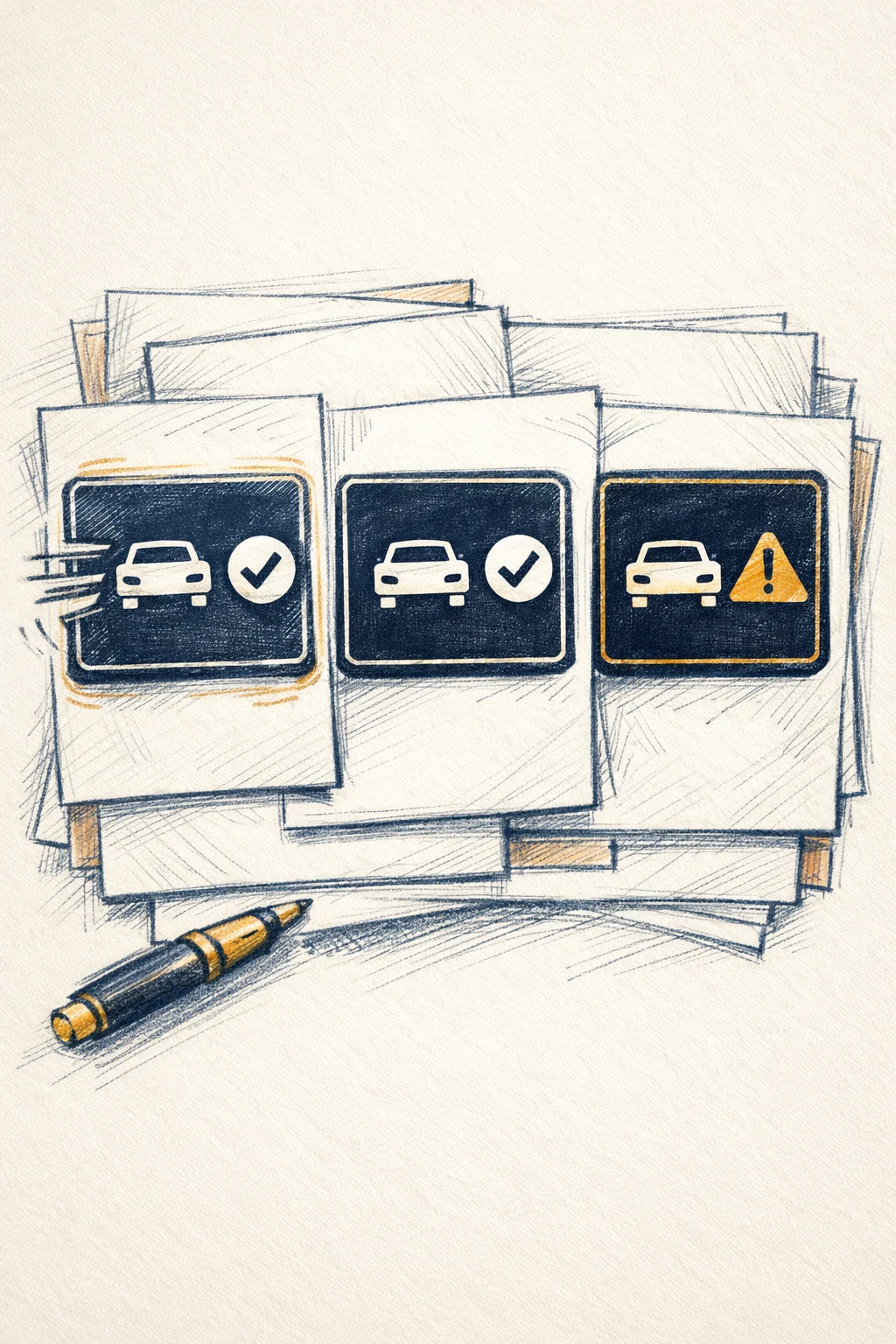
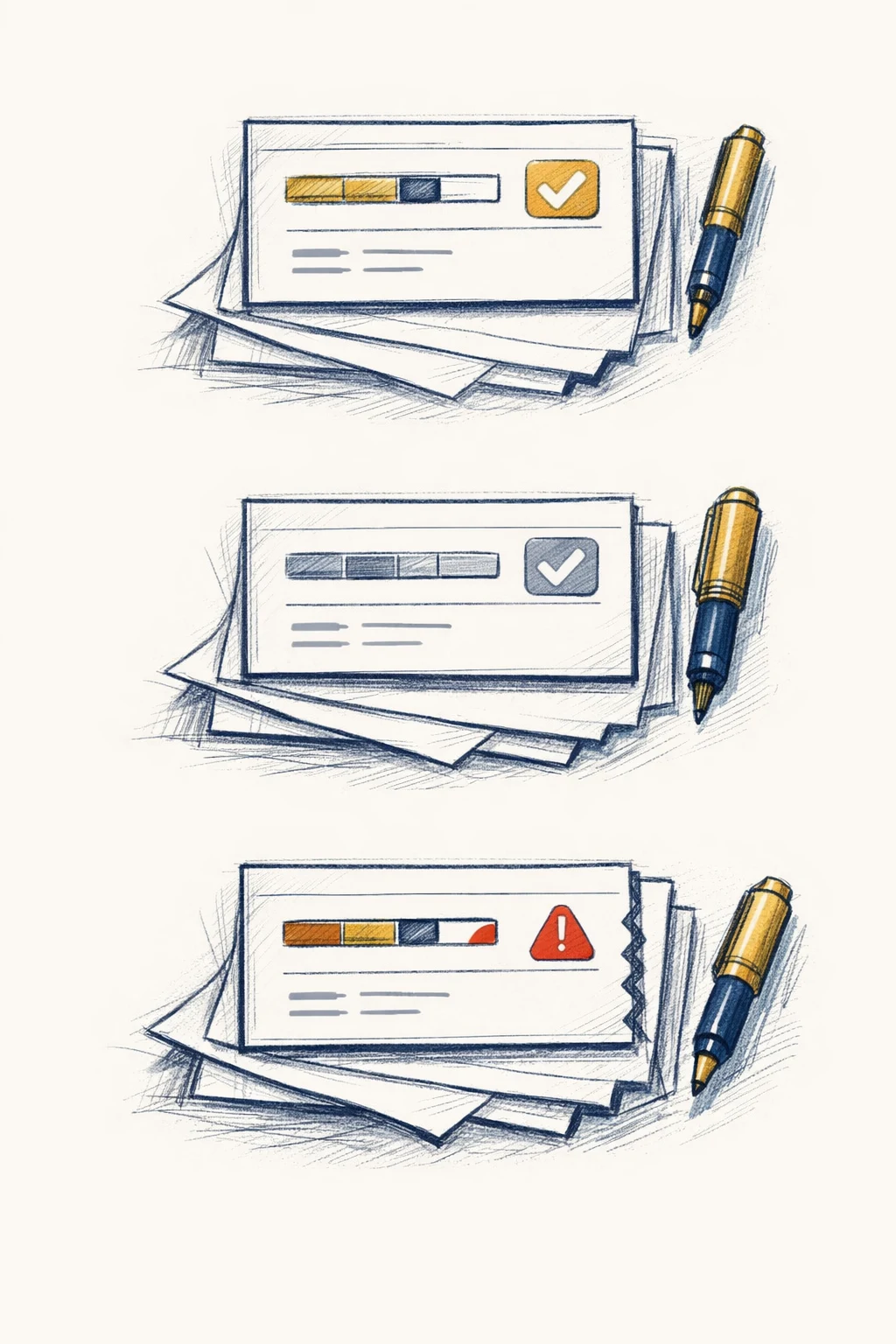
My -focused synthesis: treat both as part of the same usability check. First name what must remain understandable: the current state, the next action, and the rule that distinguishes a valid case from a near miss. Then compare the usual flow, a static version, and one plausible edge case. If meaning disappears in any version, revise that part—not the whole experience by default.
That gives a team a bounded change and a practical review point: can people understand what’s happening and what to do next in each case?